How Roof Rejuvenation Supports a Greener Future
Climate change. Carbon footprints. Sustainability. These aren’t just buzzwords anymore, they’re real concerns that affect the choices we make every day, including how we maintain our homes. If you’re a Florida homeowner with an aging asphalt shingle roof, you’re facing a decision that has bigger environmental implications than you might realize.
Replace your roof the traditional way, and you’re contributing to a massive waste problem. Choose roof rejuvenation, and you’re making a choice that benefits both your wallet and the planet.
Let’s talk about the hidden environmental cost of roof replacement and why roof rejuvenation is emerging as the sustainable solution that protects your home while supporting a greener future.
Roof Replacement Creates Massive Waste
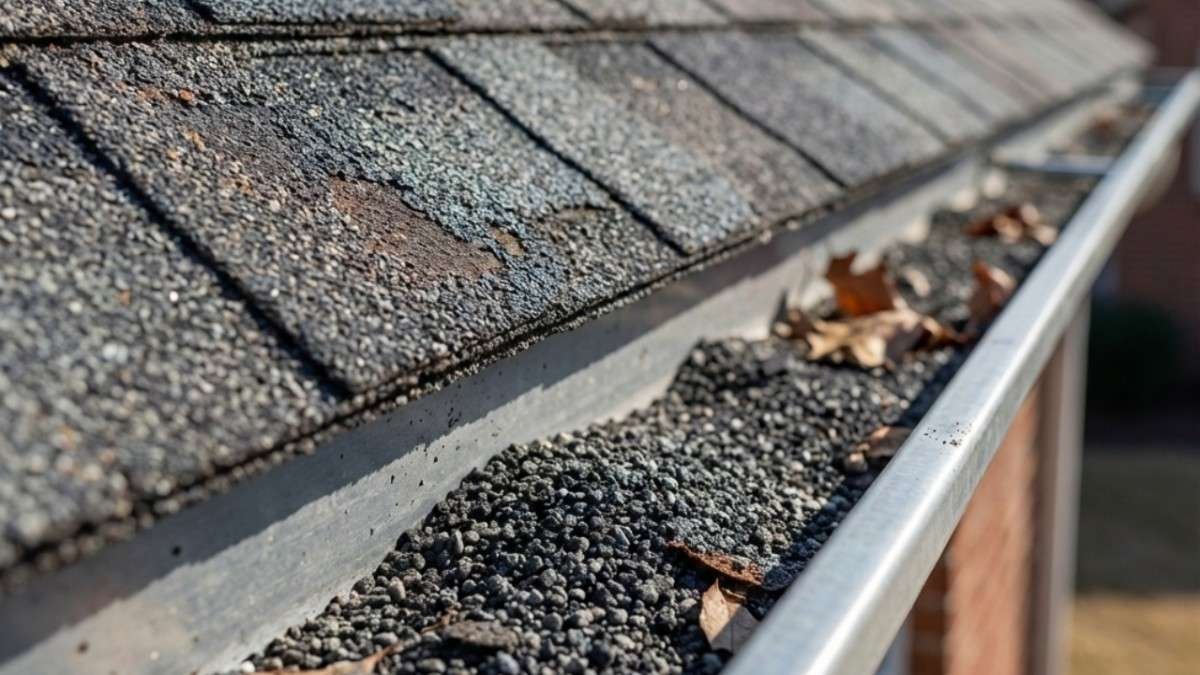
Every day, somewhere in Florida, a roofing crew is tearing off perfectly functional shingles and dumping them into a dumpster. Those shingles that are often thousands of pounds, are heading straight to a landfill where they’ll sit for centuries.
The Staggering Numbers
According to the Environmental Protection Agency (EPA), between 11 and 13 million tons of asphalt shingles end up in U.S. landfills annually. To put that in perspective, that’s roughly 22 to 26 billion pounds of roofing waste every single year.
Less than 10% of that material gets recycled. The remaining 90% becomes permanent landfill residents, taking up valuable space and creating environmental problems for generations to come.
The Average Home’s Contribution: When you replace a typical residential roof, you’re sending 8,000 to 10,000 pounds of material to the landfill that is up to 4 to 5 tons from just one house. An average asphalt shingle roof generates about 13 tons of waste when you factor in underlayment, flashing, and other components.
The Long, Slow Decomposition Problem
Here’s the part most homeowners don’t know: asphalt shingles don’t break down quickly. Research indicates that asphalt shingles take between 300 and 400 years to fully decompose in a landfill.
Think about that for a moment. The roof being torn off your house today won’t be gone until the year 2425. Your great-great-great-great-grandchildren will be long gone, and those shingles will still be sitting in a landfill somewhere.
Why It Takes So Long: Asphalt shingles are made from petroleum-based materials, fiberglass or organic mats, and ceramic granules none of which biodegrade easily. The layered construction and chemical composition make them incredibly resistant to decomposition.
The Hidden Environmental Dangers
The problems don’t stop at taking up landfill space. As rainwater passes through landfills, it picks up harmful chemicals from decomposing asphalt shingles. This contaminated water, called leachate, can seep into nearby soil and groundwater.
The Metal Roofing Alliance reports that asphalt shingles can leach potentially carcinogenic chemicals into groundwater supplies. These include:
- Volatile organic compounds (VOCs)
- Polycyclic aromatic hydrocarbons (PAHs)
- Heavy metals from granule coatings
- Petroleum-based contaminants from the asphalt itself
Communities living near landfills face elevated health risks from these chemicals, particularly if the landfill isn’t properly managed or has aging containment systems.
The Resource Consumption Cycle
But the waste problem is only half the story. When you replace your roof, you’re not just generating waste but you are also demanding the production of new materials, which comes with its own environmental costs:
Petroleum Extraction: Asphalt shingles are petroleum-based products. New shingle manufacturing requires crude oil extraction, refining, and processing all energy-intensive activities that contribute to greenhouse gas emissions.
Mining Operations: The ceramic granules that coat shingles come from mined minerals. Quarrying and processing these materials involves heavy machinery, explosives, and transportation, all adding to the carbon footprint.
Manufacturing Energy: The production of new asphalt shingles consumes significant energy for heating, mixing, coating, and curing the materials.
Transportation Emissions: Raw materials must be transported to manufacturing facilities, finished products shipped to distributors, and then delivered to your home. Each step in this process burns fossil fuels.
It’s a resource-heavy, carbon-intensive cycle that repeats millions of times annually across the country.
Rejuvenation Extends Roof Life Without the Waste
Now imagine a different scenario. Instead of tearing off your entire roof and sending tons of material to the landfill, you restore what you already have.
That’s the fundamental principle behind roof rejuvenation: keeping functional materials in service longer by addressing the root cause of aging rather than treating the symptoms with complete replacement.
The Zero-Waste Approach
Roof rejuvenation generates virtually zero waste. Your existing shingles stay exactly where they are. Instead of removing them, professional technicians apply a bio-based oil treatment that penetrates deep into the shingle material, restoring the properties that time and weather have stripped away.
What Gets Restored:
- Lost oils that provide flexibility and waterproofing
- Granule adhesion to maintain protective coating
- Adhesive strip function for wind resistance
- Overall weather resistance and durability
The result? Your roof regains 5 to 15 years of functional life without generating a single pound of landfill waste. Learn more about the restoration process in our guide: How Roof Rejuvenation Restores the Health of Asphalt Shingles.
The Environmental Math
Let’s compare the waste generated by these two approaches:
Traditional Replacement:
- 8,000-13,000+ pounds of shingle waste
- Underlayment and flashing materials
- Packaging and installation waste
- Transportation of old materials to landfill
- All sitting in a landfill for 300-400 years
Roof Rejuvenation:
- Zero pounds of roof material waste
- Minimal packaging from treatment product
- No landfill contribution
- Keeps existing materials in service for years longer
The difference is stark. By choosing rejuvenation over premature replacement, you’re preventing literal tons of waste from entering our landfill system.
Why This Matters in Florida
Florida faces unique environmental challenges that make waste reduction particularly important:
Limited Landfill Space: As a peninsula with high water tables and coastal vulnerability, Florida has limited options for landfill expansion. Every ton of waste we keep out of landfills preserves valuable space.
Coastal and Aquatic Ecosystems: Leachate from landfills can contaminate the aquifers that feed Florida’s springs, rivers, and coastal waters. Reducing landfill burden protects these critical ecosystems.
Hurricane Debris: Florida regularly deals with massive amounts of storm debris. Any waste we can prevent in normal times frees up landfill capacity for genuine emergencies.
Growing Population: Florida’s population continues to grow rapidly, putting increasing pressure on waste management infrastructure. Sustainable solutions like roof rejuvenation become more critical as population density increases.
A Smaller Carbon Footprint for Your Home
Beyond waste reduction, roof rejuvenation dramatically reduces the carbon footprint associated with roof maintenance. The difference between replacement and rejuvenation in terms of greenhouse gas emissions is substantial.
The Carbon Cost of Roof Replacement
Manufacturing, transporting, and installing a new roof generates significant carbon emissions at every stage:
Manufacturing Emissions:
- Petroleum extraction and refining for asphalt: High energy consumption
- Mining and processing granules: Heavy machinery and transportation
- Shingle production facility: Heating, mixing, coating processes
- Fiberglass mat production: Energy-intensive manufacturing
According to environmental research, the production of asphalt shingles requires substantial energy input, leading to increased greenhouse gas emissions throughout the supply chain.
Transportation Pollution:
- Raw materials shipped to manufacturing plants
- Finished shingles transported to distribution centers
- Products delivered to your home or job site
- Old shingles hauled to landfills
- Heavy trucks consuming diesel fuel at every step
The average roof replacement involves multiple round trips by large trucks, each burning fossil fuels and emitting carbon dioxide.
Installation Equipment:
- Diesel-powered dumpsters and lifts
- Power tools and compressors
- Generator fuel consumption
- Crew vehicles traveling to job site daily
End-of-Life Emissions: Even disposal contributes to carbon emissions through landfill operations, including the methane gas generated as organic components in the old roofing slowly decompose.
The Carbon Savings of Rejuvenation
Roof rejuvenation eliminates or dramatically reduces most of these carbon-producing activities:
No New Manufacturing: By keeping your existing shingles in service, you eliminate the demand for new shingle production. This means no petroleum extraction, no mining for new granules, and no energy-intensive manufacturing processes.
The EPA estimates that recycling asphalt shingles (rather than manufacturing new ones) can reduce greenhouse gas emissions equivalent to removing over 327,000 vehicles from roads annually. Roof rejuvenation provides similar or greater carbon savings by eliminating the need for new materials entirely.
Minimal Transportation: Instead of multiple truckloads of new shingles being delivered and old shingles being hauled away, rejuvenation typically requires just one service truck making a single visit.
Bio-Based Product: Quality roof rejuvenation treatments are made from renewable, plant-based materials typically soy or corn oil. These bio-based oils have a significantly lower carbon footprint than petroleum-based alternatives. Many products are certified as 95-96% bio-based by the USDA.
No Disposal Emissions: With nothing going to the landfill, you eliminate the carbon cost of waste transportation and landfill operations.
Energy Efficiency Bonus: Restored shingles maintain better UV reflective properties, helping keep your attic cooler. This reduces air conditioning demand, lowering your home’s ongoing carbon footprint through decreased electricity consumption.
The Cumulative Environmental Impact
When you scale this up, the environmental benefits become even more impressive. If just 10% of Florida homeowners with aging roofs chose rejuvenation over premature replacement, the impact would be:
- Millions of tons of waste prevented from entering landfills
- Massive reduction in petroleum extraction and mining
- Dramatic decrease in manufacturing emissions
- Significant carbon savings equivalent to taking thousands of cars off the road
- Protected ecosystems through reduced groundwater contamination risk
This is environmental action at a scale that matters, and it starts with individual homeowners making informed choices about roof maintenance.
Protecting the Planet While Protecting Your Home
Here’s the beautiful part about roof rejuvenation: you don’t have to choose between environmental responsibility and roof performance. You get both.
Performance Meets Sustainability
Traditional thinking suggests that eco-friendly options require sacrifices in quality or effectiveness. That’s not true with roof rejuvenation. In fact, the environmental choice is also the performance choice:
Enhanced Durability: Restored shingles are more flexible and resilient, better able to withstand Florida’s weather extremes. Why Roof Rejuvenation Extends Roof Life explains the science behind this longevity.
Better Weather Resistance: Rejuvenated shingles with restored waterproofing and improved granule adhesion provide superior protection against rain, wind, and UV radiation.
Improved Wind Resistance: Re-energized adhesive strips mean better shingle-to-shingle bonding, critical for surviving Florida’s tropical storms and hurricanes.
Algae and Moss Resistance: Many bio-based rejuvenation treatments include natural biocides that inhibit the growth of algae and moss giving you a cleaner roof without harsh chemicals.
Maintained Fire Rating: With granules locked in place, your roof maintains its fire resistance classification which is important for both safety and insurance requirements.
The Health and Safety Benefits
Choosing eco-friendly roof rejuvenation over replacement also reduces exposure to harmful materials and processes:
No Tear-Off Dust: Roof replacement creates clouds of dust containing asphalt particles, granules, and potentially harmful fibers. This dust affects workers, your family, and neighbors.
No Heavy Equipment: Rejuvenation doesn’t require dumpsters, cranes, or heavy machinery creating noise, vibration, and exhaust fumes in your neighborhood.
Biodegradable Treatment: The bio-based oils used in rejuvenation are non-toxic and environmentally safe, breaking down naturally without harming soil, plants, or water.
Reduced Disruption: A roof rejuvenation treatment typically takes one day with minimal disruption, compared to 3-7 days of noise, mess, and chaos for a replacement.
Real-World Environmental Benefits
Let’s look at a specific example. When you choose roof rejuvenation for a typical 2,000-square-foot Florida home:
Waste Prevented:
- 8,000-10,000 pounds kept out of landfills
- 50-100 pounds of nails not discarded
- Underlayment and flashing materials preserved
- Zero contribution to the 11-13 million tons of annual shingle waste
Resources Conserved:
- No petroleum extraction for new shingles
- No mining for protective granules
- No manufacturing energy consumption
- Renewable plant-based materials used instead
Carbon Emissions Avoided:
- Manufacturing emissions eliminated
- Transportation fuel consumption minimized
- No diesel-powered dumpsters or heavy equipment
- Ongoing energy savings from better roof performance
Ecosystem Protection:
- No leachate risk to groundwater
- No landfill space consumed
- Reduced demand on resource extraction operations
- Support for renewable, sustainable agriculture (soy/corn production)
These aren’t theoretical benefits, they are real, measurable improvements that happen every time a homeowner chooses rejuvenation over premature replacement.
A Smart Choice for Sustainability and Savings
The environmental benefits of roof rejuvenation align perfectly with financial benefits while creating a rare situation where the sustainable choice is also the economical choice.
The Cost-Benefit Analysis
Traditional Replacement:
- Cost: $15,000-$25,000+ in Florida
- Environmental impact: 8,000+ pounds of waste, significant carbon emissions
- Lifespan: 15-20 years in Florida’s climate
- Resource consumption: High (new materials, manufacturing, transportation)
Roof Rejuvenation:
- Cost: $2,500-$5,000 for average Florida home
- Environmental impact: Near-zero waste, minimal carbon footprint
- Added lifespan: 5-15 years
- Resource consumption: Minimal (bio-based treatment only)
You save 80% of the cost while achieving superior environmental outcomes. For detailed cost information, see: Roof Rejuvenation Cost in 2026: Does It Really Work?
Why This Matters for Future Generations
Every sustainable choice we make today creates a better world for future generations. Roof rejuvenation represents exactly this kind of forward-thinking decision:
Immediate Benefits:
- Lower costs for homeowners
- Reduced waste in landfills
- Decreased carbon emissions
- Protection of groundwater and ecosystems
Long-Term Benefits:
- Preservation of landfill space for true waste
- Reduced demand for petroleum extraction
- Support for renewable, bio-based industries
- Cultural shift toward maintenance over disposal
Generational Impact: By normalizing sustainable roof maintenance, we create expectations that future homeowners will carry forward, multiplying the environmental benefits exponentially.
The Bigger Picture
Roof rejuvenation fits into a larger movement toward sustainable living and circular economy principles:
Circular Economy Thinking: Instead of the linear “take, make, dispose” model, rejuvenation embraces “maintain, restore, extend” keeping resources in productive use as long as possible.
Reduced Resource Extraction: Every roof rejuvenated is one less roof’s worth of new materials that need to be extracted from the earth, manufactured, and transported.
Support for Green Technology: Choosing bio-based products supports the development and scaling of renewable, plant-derived materials as alternatives to petroleum products.
Community Impact: When neighbors see your restored roof and learn about the environmental and financial benefits, you inspire others to make sustainable choices.
Making the Green Choice Without Compromise
Some homeowners worry that choosing the environmental option means settling for less. With roof rejuvenation, that’s simply not the case.
Performance You Can Trust
Modern roof rejuvenation technology has been tested extensively and proven effective:
- Independent laboratory testing confirms oil penetration and property restoration
- Real-world performance data shows 5-15 year lifespan extensions
- Thousands of Florida homeowners have successfully rejuvenated their roofs
- The process is backed by professional warranties
Learn more about the science and process: Understanding the Roof Rejuvenation Process
When Rejuvenation Is the Right Choice
Roof rejuvenation is ideal when:
- Your roof is 8-15 years old
- At least 75% of granules remain intact
- No major structural damage or widespread leaks
- Proper original installation
- You want to make an environmentally responsible choice
When Other Options Are Better
Honest professionals will tell you when rejuvenation isn’t appropriate:
- Severe granule loss (more than 25%)
- Widespread damage or multiple active leaks
- Structural problems with roof decking
- Poor original installation that needs correction
- Roof older than 20 years with extensive deterioration
The goal is matching the right solution to your specific situation whether that’s rejuvenation, targeted repairs, or in truly severe cases, replacement.
Why Eco-Friendly Doesn’t Mean Sacrificing Quality
For comparison with other cleaning methods, check out: Why Roof Rejuvenation Is Better Than Pressure Washing which clearly explains how rejuvenation provides superior results while being gentler on your roof and the environment.
Take Action: Choose the Sustainable Solution
Climate change requires action at every level from international policy to individual choices. Your decision about roof maintenance might seem small in the grand scheme, but when thousands of Florida homeowners make the same sustainable choice, the impact becomes significant.
The Environmental Benefits Are Clear:
- Prevent thousands of pounds of waste from landfills
- Eliminate carbon emissions from new material production
- Reduce petroleum extraction and mining operations
- Protect groundwater from shingle leachate
- Support renewable, bio-based industries
- Extend the life of existing materials
The Financial Benefits Are Compelling:
- Save 80% compared to replacement costs
- Add 5-15 years of roof life
- Reduce energy costs through better UV protection
- Maintain insurance coverage with documented maintenance
- Avoid the disruption and stress of full replacement
The Choice Is Yours: You can continue the wasteful cycle of premature replacement, or you can choose roof rejuvenation, a proven, cost-effective, environmentally responsible alternative that protects both your home and the planet.
Ready to make the sustainable choice? Contact RoofJuice today for a professional inspection and learn how roof rejuvenation can extend your asphalt shingle roof’s life while supporting a greener future. Our Florida-based experts specialize in eco-friendly roof restoration that saves you money and reduces environmental impact.
Don’t let your roof become part of the 11-13 million tons of annual shingle waste. Choose restoration over replacement. Choose sustainability over disposal. Choose a greener future.
Continue Reading: More Helpful Roof Care Articles
Explore More About Roof Rejuvenation: