Why Roof Rejuvenation Extends Roof Life
Every year, thousands of Florida homeowners replace roofs that still have years of life left in them. They see curling shingles, faded color, or black algae streaks and assume the worst time for a $20,000+ replacement. But here’s what most people don’t know: the shingles themselves are often still structurally sound. The real problem isn’t the shingle, it’s what’s missing inside it.
If your asphalt shingle roof is showing signs of aging but isn’t falling apart, you might be one decision away from saving $15,000 and adding 5 to 15 years to your roof’s life. That decision is roof rejuvenation, and understanding why it works can change how you think about roof maintenance forever.
Let’s break down exactly why roof rejuvenation extends roof life and why replacing your roof too early is one of the costliest mistakes homeowners make.
Replacing Too Early Is a Common (and Expensive) Mistake
Walk through any Florida neighborhood, and you’ll see contractors tearing off perfectly good roofs. The homeowner looked up, saw problems, got scared, and wrote a check for $18,000 without exploring alternatives.
The Psychology of Premature Replacement
There’s a mental trigger that happens when your roof starts looking rough. Curled shingles, granules in the gutters, dark streaks spreading across the surface these visible signs create panic. Your mind jumps to worst-case scenarios: leaks, water damage, mold, structural failure.
So you call a roofing company. And what does the salesperson say? “Yep, you need a new roof.” Of course they say that they make more money on a $20,000 replacement than anything else.
But here’s the reality: most roofs showing these aging signs still have plenty of structural life remaining. The problems you’re seeing are surface-level symptoms of a deeper issue that can be fixed without ripping everything off and starting over.
What’s Really Happening to Your Aging Roof
Your asphalt shingles were manufactured with petroleum-based oils that give them critical properties:
- Flexibility (ability to expand and contract with temperature changes)
- Waterproofing (moisture barrier protection)
- Granule adhesion (keeping protective coating in place)
- Durability (resistance to weather stress)
Over time, especially in Florida’s brutal climate these oils evaporate. The process accelerates dramatically under our intense UV radiation and heat. Your roof can reach 160°F or higher on summer days, literally baking those oils right out of the shingles.
When the oils are gone:
- Shingles become stiff and brittle
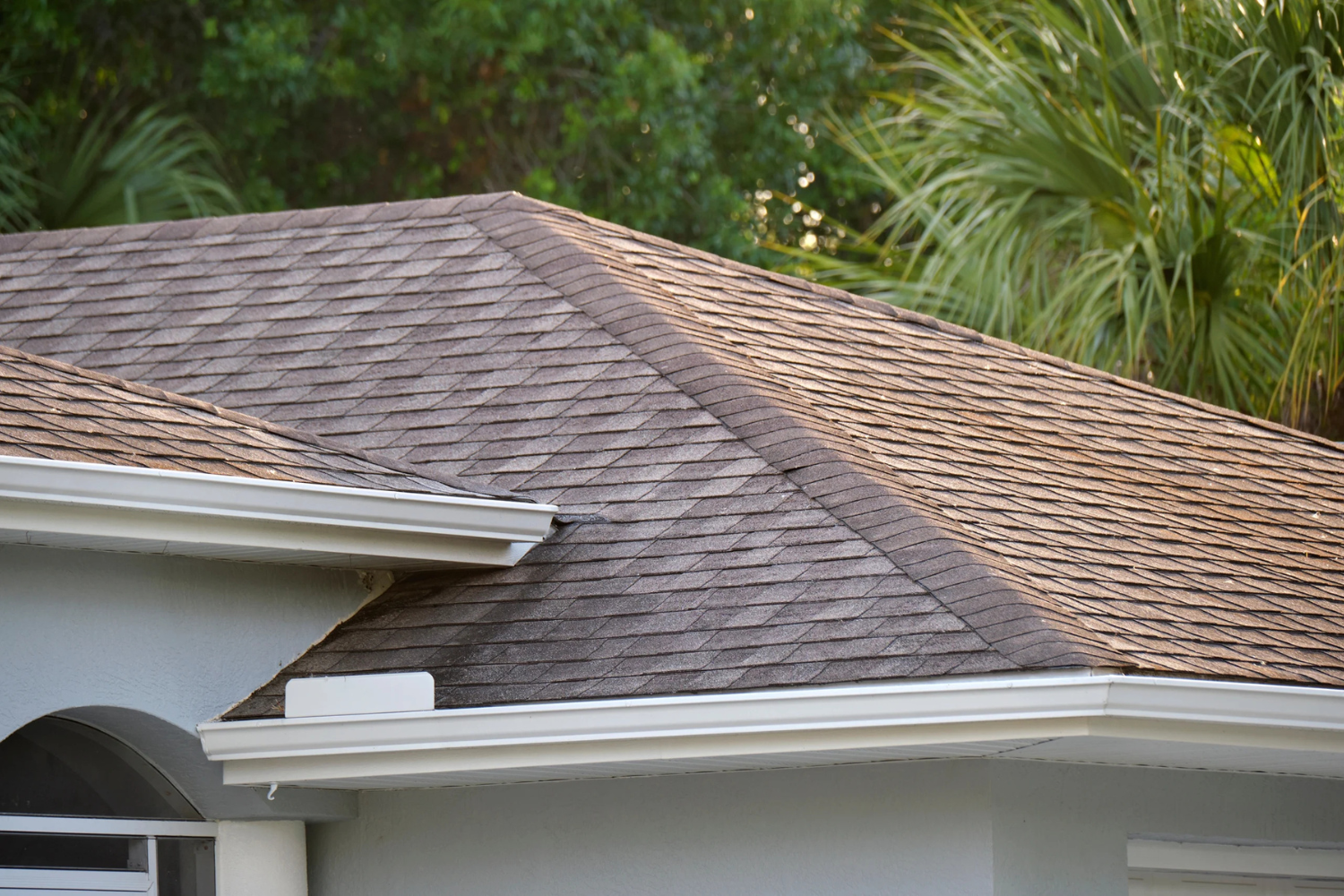
- Edges start curling upward
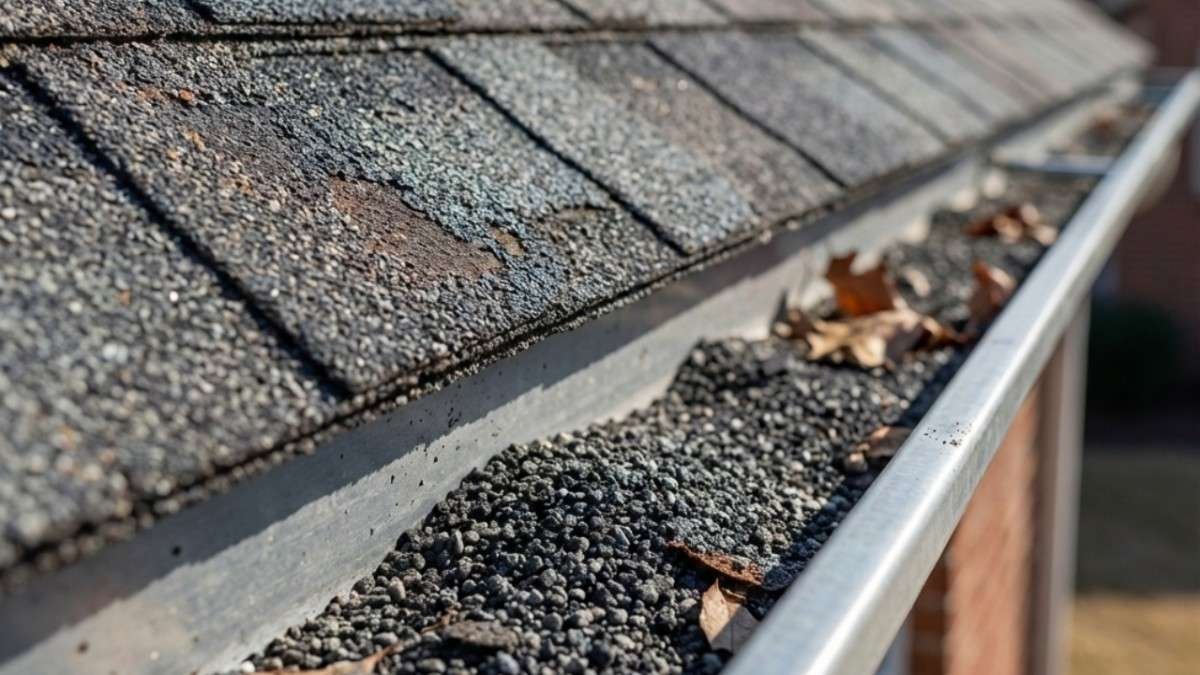
- Granules lose their grip and wash away
- Color fades and looks worn out
- Cracks develop from thermal stress
But here’s the crucial point: the fiberglass mat at the core of your shingles, the actual structural component is usually still perfectly fine. The problem isn’t structural failure; it’s oil depletion.
The Million-Dollar Question
If the only problem is missing oils, why wouldn’t you just replace those oils instead of replacing the entire roof?
That’s exactly what roof rejuvenation does. And it’s why thousands of Florida homeowners are choosing this smarter alternative.
How Rejuvenation Restores Shingle Flexibility
Think about the difference between a fresh rubber band and one that’s been sitting in a drawer for five years. The old one is brittle, cracks easily, and snaps when you stretch it. The new one is flexible and resilient. The same thing happens to your shingles. When they go from flexible to brittle as oils evaporate.
Why Flexibility Matters So Much
Asphalt shingles were engineered to be flexible for important reasons:
Temperature Cycling: Florida’s daily temperature swings create constant stress. Your shingles expand in the afternoon heat, contract when evening cools things down, then repeat the cycle every single day. Flexible shingles handle this stress without damage. Brittle shingles crack.
Wind Resistance: During storms, especially hurricanes your roof experiences tremendous force. Flexible shingles can bend slightly with wind gusts without breaking. Rigid, brittle shingles snap like crackers.
Impact Protection: When branches, hail, or debris hit your roof, flexible shingles absorb the impact. Brittle shingles shatter on contact.
Thermal Shock: Sudden temperature changes (like when a cold rainstorm hits a hot roof) create rapid expansion and contraction. Flexibility prevents cracking from this thermal shock.
The Rejuvenation Solution: Bio-Based Oil Restoration
Roof rejuvenation treatments use specially formulated plant-based oils typically derived from soy or corn used to replace the petroleum oils your shingles have lost.
How It Works: Professional technicians spray the bio-based oil treatment evenly across your entire roof. The solution immediately begins penetrating into the shingle material, soaking deep into the asphalt layer not just coating the surface.
The Science: These plant-based oils have a molecular structure that’s compatible with aged asphalt. They fill the microscopic voids left by evaporated petroleum oils, re-saturating the shingle material from the inside out. Research by PRI Asphalt Technologies demonstrates that this process actually restores shingle properties at the molecular level.
The Transformation: Within days to weeks, your shingles undergo a remarkable change:
- They regain their ability to flex and bend
- Thermal stress no longer causes cracking
- Wind resistance dramatically improves
- Impact tolerance returns to near-original levels
Measurable Results: Independent testing shows that rejuvenated shingles can regain up to 80% of their original flexibility. That’s not a cosmetic improvement, it’s functional restoration that directly extends roof life.
Real-World Impact in Florida
Let’s talk about what this means for your roof during a typical Florida thunderstorm. Heavy rain, gusty winds, potential hail, temperature drops all hitting your roof simultaneously.
Before Rejuvenation: Brittle shingles crack under thermal stress when cold rain hits the hot roof. Wind catches curled edges and tears them off. Hail impact creates punctures and breaks. You wake up the next morning to shingles in your yard and water stains on your ceiling.
After Rejuvenation: Flexible shingles bend with the wind without breaking. They handle thermal shock without cracking. Impact resistance prevents hail damage. Your roof survives the storm without losing a single shingle.
That’s why rejuvenation extends roof life; it restores the fundamental properties that keep your roof functional and protected.
Stronger Granule Adhesion Means Better Protection
Those tiny granules covering your asphalt shingles aren’t decorative; they’re your roof’s armor. When you lose them, everything else falls apart quickly.
The Critical Role of Roof Granules
UV Protection: Granules are ceramic-coated minerals that reflect and absorb UV radiation. Without them, the asphalt underneath is directly exposed to Florida’s intense sunlight. UV rays break down asphalt at the molecular level through photo-oxidation, accelerating deterioration exponentially.
Fire Resistance: Granules provide Class A fire resistance. When they fall off, your roof’s fire rating decreases, potentially affecting insurance coverage and safety.
Water Shedding: The rough, granular surface helps water run off efficiently. Smooth, granule-depleted areas allow water to pond, increasing leak risk.
Impact Protection: Granules create a cushioning layer that absorbs impact from hail, debris, and foot traffic.
Temperature Regulation: Light-colored granules reflect heat, keeping your roof cooler. Bare black asphalt absorbs heat, raising temperatures and accelerating further oil evaporation.
Why Granules Fall Off
As the petroleum oils in your shingles evaporate, the asphalt layer becomes dry and loses its adhesive properties. The granules are embedded in this asphalt layer, so when the “glue” dries out, granules start falling off first a few, then accelerating as more oils disappear.
Every rainstorm washes more granules into your gutters. Every windstorm blows them away. Within a few years, you can lose 25%, 50%, or more of your protective granule coating.
And here’s the problem: once granules are gone, you can’t put them back. You can’t reattach them or glue them down. Traditional cleaning methods like pressure washing actually accelerate granule loss by blasting away whatever granules were still hanging on.
How Rejuvenation Locks Granules in Place
This is where roof rejuvenation performs near-magic. When bio-based oils soak into your shingles, they restore the asphalt’s adhesive properties. The previously dry, crumbly asphalt becomes pliable again, creating renewed grip on the granules that remain.
The Numbers Don’t Lie: Independent testing shows that roof rejuvenation can improve granule retention by up to 86%. That means granules that would have fallen off within a year or two instead stay firmly in place, continuing to protect your roof.
The Protective Cascade: Better granule adhesion creates a protective cycle:
- Granules stay in place longer
- UV protection remains effective
- The asphalt underneath stays cooler
- Oil evaporation slows dramatically
- Shingles age much more slowly
This compounding effect is why a single rejuvenation treatment can add 5, 10, or even 15 years to your roof’s life especially if you retreat every 5-7 years to maintain the protective oils.
Weather Resistance Improvement
With granules locked in place and flexibility restored, your roof becomes significantly more resistant to Florida’s challenging weather:
Heavy Rain: Improved waterproofing and better water shedding prevent moisture intrusion.
High Winds: Stronger adhesive strips (also restored by the oil treatment) keep shingles sealed down, preventing blow-off during storms.
UV Radiation: Protected by intact granule coating, the asphalt layer resists photo-oxidation that would otherwise accelerate aging.
Hail Impact: The granule cushion absorbs impact energy, preventing punctures and cracks.
Daily Weather Wear: Restored shingles resist the cumulative stress of Florida’s year-round heat, humidity, and sun exposure.
This comprehensive weather resistance is why rejuvenated roofs consistently outlast untreated roofs by years even in Florida’s harsh climate.
A Cost-Effective Way to Extend Roof Life
Let’s talk about the financial reality of roof replacement versus rejuvenation. This is where math becomes impossible to ignore.
The True Cost of Replacement
In Florida, a typical asphalt shingle roof replacement runs $15,000 to $25,000 or more, depending on:
- Roof size and complexity
- Hurricane-rated materials requirements
- Removal and disposal of old roofing
- Permits and inspections
- Building code compliance upgrades
- Labor costs in your area
And that’s just the direct costs. There are hidden expenses:
- Landscape damage from debris and equipment
- Driveway protection and cleanup
- Interior disruption and mess
- Risk of installation errors
- Temporary vulnerability if weather hits during the project
The Rejuvenation Alternative
Professional roof rejuvenation typically costs $2,500 to $5,000 for an average Florida home. That’s 80% less than replacement while delivering 5 to 15 years of additional roof life.
Cost Per Year of Protection:
- Replacement at $20,000 for 20-year lifespan = $1,000/year
- Rejuvenation at $3,500 adding 10 years = $350/year
The value proposition is clear. You’re getting roof protection for a fraction of the cost.
The Compounding Savings
But the savings go beyond the treatment itself:
Delayed Replacement: Every year you delay a $20,000 replacement is another year of savings. If rejuvenation adds 10 years to your roof’s life, that’s 10 years of not spending $20,000.
Inflation Protection: Roofing costs increase every year. The longer you can delay replacement, the more time you have to save up and the more your existing investment appreciates in value.
Energy Efficiency: Restored shingles reflect UV better and keep your attic cooler, reducing air conditioning costs. Many Florida homeowners see noticeable decreases in summer cooling bills.
Insurance Benefits: Documented roof maintenance (including rejuvenation treatment) can help maintain insurance coverage on older roofs and may qualify for premium discounts.
Property Value: A well-maintained roof maintains your home’s value and appeal. Rejuvenation improves curb appeal while extending functional life both important for resale value.
Want to understand the full cost breakdown? Check out our detailed guide: Roof Rejuvenation Cost in 2026: Does It Really Work?
When Rejuvenation Makes Financial Sense
The return on investment is strongest when:
Your Roof Is 8-15 Years Old: Old enough to benefit from oil replenishment, but not so deteriorated that restoration won’t help.
You Have 75%+ Granules Remaining: Enough protective coating left to build on and preserve.
No Major Structural Damage: The roof deck is sound with no rot or major leaks.
You Plan to Stay in Your Home: The longer you plan to live there, the more value you’ll extract from the extended roof life.
You Want to Avoid Debt: Paying $3,500 cash beats financing $20,000 for most homeowners’ budgets.
A Smarter, More Affordable Roofing Solution
The roofing industry has operated on a simple business model for decades: when there’s a problem, replace the whole roof. But that model doesn’t serve homeowners well, especially when most “problems” are actually just symptoms of oil depletion.
The Paradigm Shift
Roof rejuvenation represents a fundamental change in how we think about roof maintenance:
Old Thinking: Roof → Ages → Shows Problems → Replace Everything
New Thinking: Roof → Ages → Loses Oils → Restore Oils → Extend Life Significantly
This shift from replacement-focused to maintenance-focused thinking saves homeowners enormous amounts of money while reducing environmental waste.
Why More Florida Homeowners Are Choosing Rejuvenation
Financial Pressure: With insurance costs soaring and home prices high, Florida homeowners are looking for ways to reduce major expenses. Rejuvenation offers dramatic savings.
Environmental Awareness: Every roof replacement generates 13+ tons of landfill waste. Rejuvenation keeps that waste out of landfills while using bio-based, renewable materials.
Insurance Challenges: Florida’s insurance market is tough. Many companies won’t renew policies on roofs older than 15 years. Documented rejuvenation treatment helps maintain coverage without forcing premature replacement.
Hurricane Preparedness: Restored adhesive strips and improved flexibility make rejuvenated roofs more wind-resistant critical for hurricane season protection.
Proven Results: Word spreads when something works. Homeowners who’ve saved $15,000 and added 10+ years to their roof’s life tell their neighbors, friends, and family.
The Environmental Impact
Beyond personal savings, choosing rejuvenation over premature replacement benefits the planet:
Waste Reduction: An average asphalt shingle roof weighs about 8,000-10,000 pounds. Replacement sends all that material to landfills. Nationally, roughly 11 million tons of asphalt shingles are discarded annually. Rejuvenation keeps existing roofs in service, dramatically reducing this waste.
Resource Conservation: New shingles require:
- Petroleum extraction and refining for asphalt
- Mining operations for granules
- Energy-intensive manufacturing
- Transportation emissions
Rejuvenation uses renewable plant-based oils (typically 95-96% bio-based content) and requires minimal manufacturing and transportation compared to full replacement.
Carbon Footprint: The combined impact of manufacturing, transporting, installing, and disposing of a new roof creates a significant carbon footprint. Rejuvenation’s footprint is a fraction of replacement’s impact.
Sustainable Choice: By choosing rejuvenation, you’re making an environmentally responsible decision that aligns with sustainability goals while saving money.
Real Results: What Homeowners Experience
Let’s look at typical outcomes when Florida homeowners choose roof rejuvenation:
Timeline of Results
Immediately After Treatment:
- Shingles begin absorbing the bio-based oils
- Color appears richer and more uniform
- Surface becomes more water-resistant
Within 2-4 Weeks:
- Complete oil absorption and molecular bonding
- Flexibility noticeably restored
- Curled edges begin relaxing and flattening
Within 2-3 Months:
- Granule loss dramatically decreases
- Weather resistance improves significantly
- Algae growth slows or stops
Within 6-12 Months:
- Full restoration benefits realized
- Roof performs like it’s years younger
- Energy efficiency improvements become measurable
Over 5+ Years:
- Continued protection and performance
- Delayed need for replacement
- Thousands in savings realized
What You’ll Notice
Visual Improvements: Your roof looks better darker, richer color, more uniform appearance, fewer visible signs of aging.
Performance Improvements: Fewer granules in gutters, no shingles in the yard after storms, better water shedding, improved wind resistance.
Financial Peace of Mind: No more worrying about when you’ll need to come up with $20,000 for a new roof. You’ve bought yourself years of time.
Insurance Confidence: Documentation of professional maintenance helps with insurance renewal and potentially qualifies for discounts.
Is Your Roof a Good Candidate?
Not every roof benefits equally from rejuvenation. Here’s how to know if yours is a good candidate:
Ideal Candidates
✅ Age: 8-15 years old – The sweet spot for maximum benefit
✅ Granule retention: 75% or more – Enough protective coating to work with
✅ No major damage – Sound structure, no widespread cracking or missing shingles
✅ Proper installation – Correctly nailed, adequate underlayment
✅ Showing aging signs – Curling, brittleness, granule loss, algae staining
Poor Candidates
❌ Too new (under 3 years) – Still has adequate natural oils
❌ Too old (over 20 years) – May be beyond effective restoration
❌ Severe granule loss (25%+ gone) – Too much damage to reverse
❌ Active leaks – Structural repairs needed first
❌ Poor original installation – Rejuvenation can’t fix installation problems
The Honest Assessment
A reputable roof rejuvenation company will inspect your roof and tell you honestly whether rejuvenation makes sense or if replacement is the better option. If your roof is too far gone, they’ll tell you because their reputation depends on delivering results.
Take Action: Extend Your Roof’s Life Today
Your Florida asphalt shingle roof doesn’t have to be on a countdown to replacement. If it’s showing signs of aging but still has good structural integrity, roof rejuvenation offers a proven path to add 5 to 15 years of life at a fraction of replacement cost.
The science is clear:
- Bio-based oils restore lost flexibility
- Granule adhesion improves dramatically
- Weather resistance increases significantly
- Costs 80% less than replacement
- Extends roof life by years
The choice is yours: Continue down the path toward a $20,000+ replacement, or invest $3,000-$5,000 in restoration that buys you a decade or more of protection.
Ready to extend your roof’s life? Contact RoofJuice today for a professional inspection and honest assessment. Our Florida-based experts will tell you whether your asphalt shingle roof is a candidate for rejuvenation and if it is, we’ll show you exactly how much money and time you can save.
Don’t replace your roof too early. Restore it instead and enjoy years of continued protection while keeping thousands in your pocket.
Continue Reading: Related Roof Care Articles
Learn More About Roof Rejuvenation:
How Roof Rejuvenation Restores the Health of Asphalt Shingles