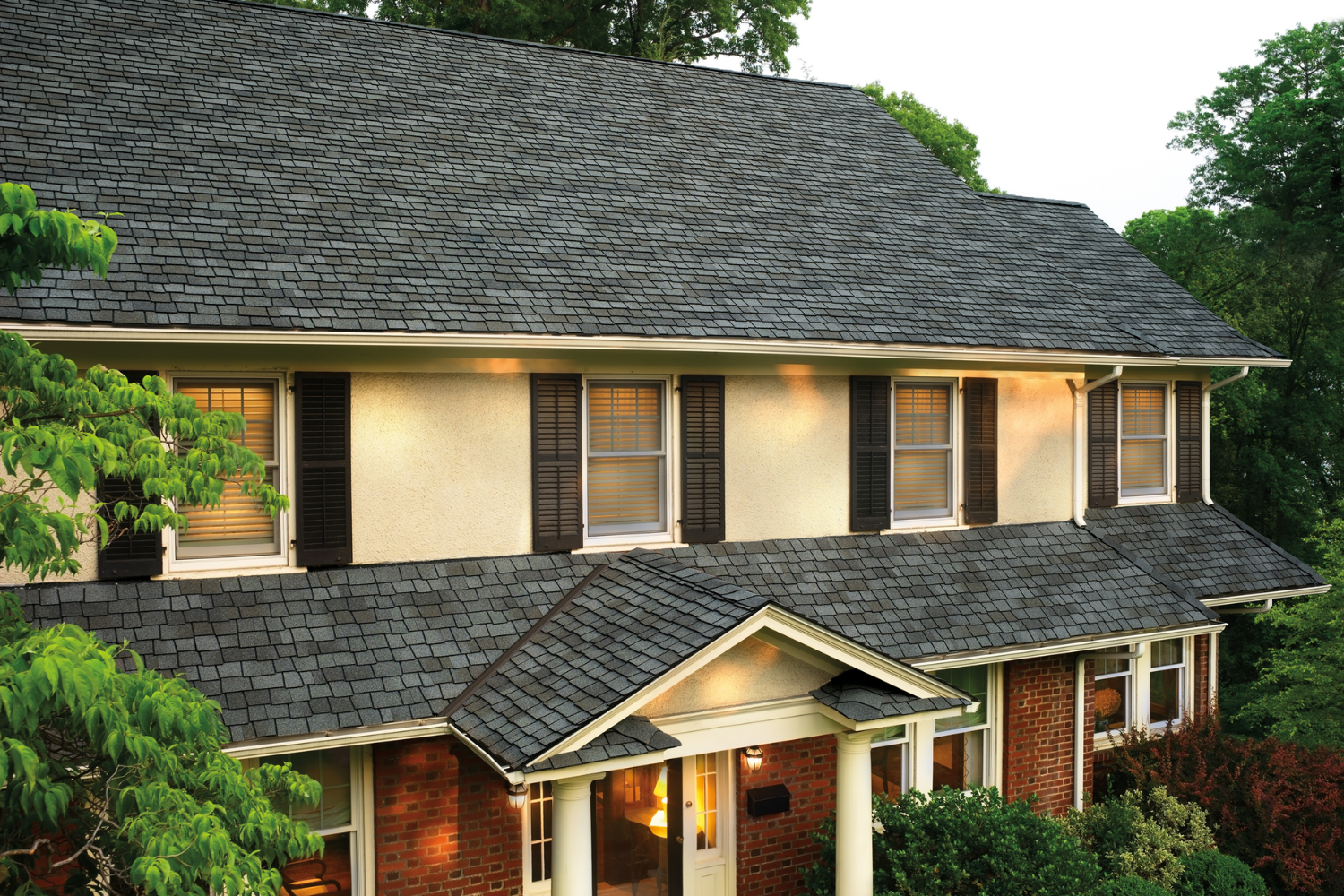
Understanding the Roof Rejuvenation Process
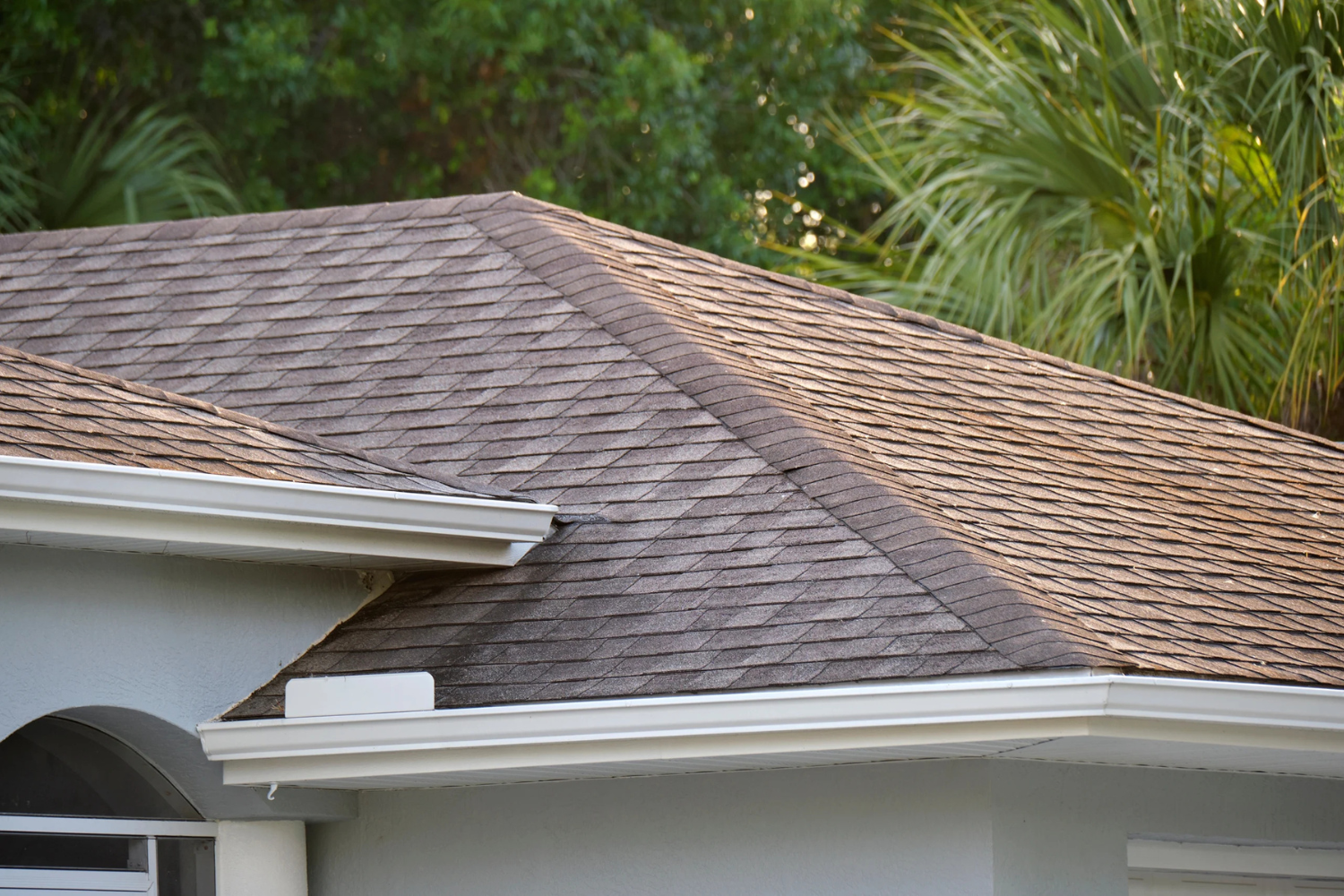
A roof plays an important role in protecting a home. It keeps rain, heat, wind, and debris out while helping maintain comfort inside. Over time, asphalt shingles are affected by sunlight, weather changes, and natural growth such as algae or moss. As this happens, a roof may begin to look worn or dry. At that point, homeowners often face a decision: should the roof be replaced, or can its condition be improved?
Roof rejuvenation is increasingly being considered as an option before replacement. In this article, the roof rejuvenation process is explained in a clear and simple way so homeowners can understand how it works, when it is useful, and what results can realistically be expected.
What roof rejuvenation is
Roof rejuvenation is a treatment designed for asphalt shingle roofs that have begun to age but are still structurally sound. Over time, shingles lose the oils that keep them flexible. A rejuvenation treatment works by replacing some of those lost oils.
During the process, a liquid solution that is plant-based, applied evenly across the roof surface. This liquid is absorbed into the shingles, helping them regain flexibility and strength. When flexibility is restored, shingles are better able to handle temperature changes and weather exposure. The main goal is to slow the aging process and extend the life of the roof, rather than replacing it too early.
To better understand pricing, expected savings, and whether the process truly delivers results, a detailed breakdown is shared in Roof Rejuvenation Cost in 2026: Does It Really Work?
Why asphalt shingles wear out over time
Asphalt shingles are made using asphalt binders and oils. These materials allow shingles to bend, seal, and protect the roof deck underneath. As years pass, heat from the sun and exposure to the elements cause those oils to slowly dry out.
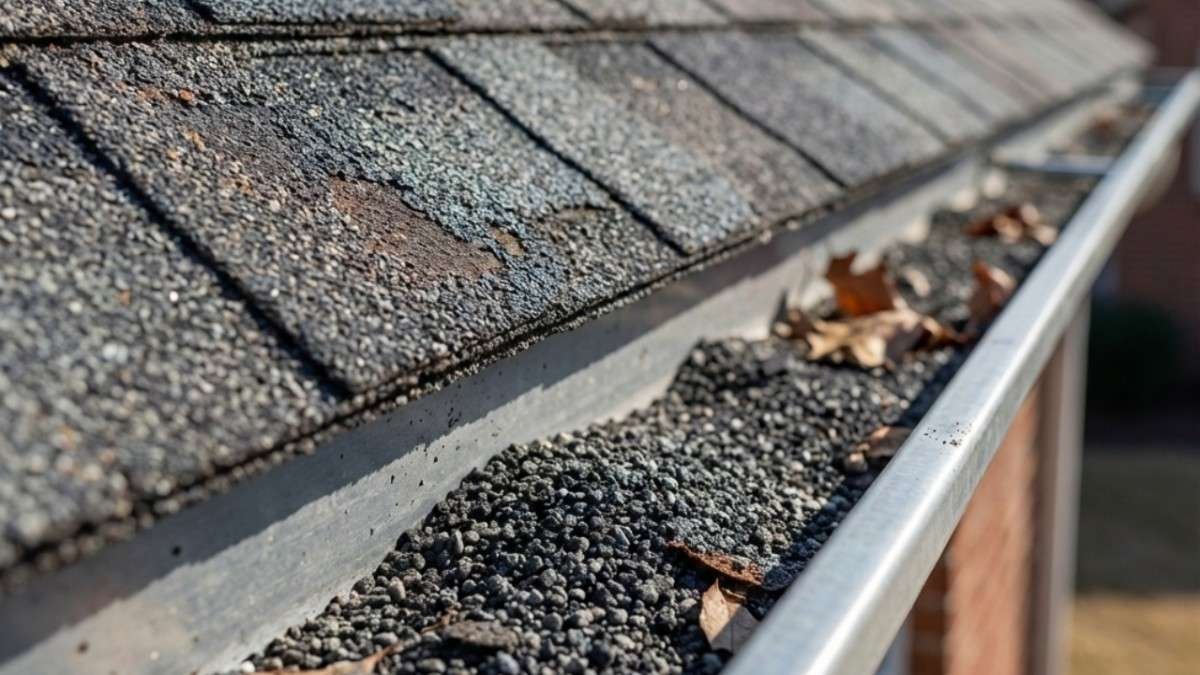
When oil loss occurs, shingles become stiff and brittle. Cracks may form, corners may curl, and protective granules can loosen. This is a normal part of roof aging and often happens before major structural damage appears. In many cases, the roof still functions, but its protective ability is reduced.
How the roof rejuvenation process works
The rejuvenation process can be understood in three basic steps:
- Roof inspection
Before treatment, the roof is inspected. This helps identify areas of wear, confirm that shingles are suitable for rejuvenation, and check for active leaks or damage that should be repaired first. - Light cleaning (if needed)
If dirt, algae, or moss are present, a gentle cleaning method is used. Soft washing or a low-pressure rinse allows the shingle surface to be cleared without causing damage. This step ensures the treatment can be absorbed properly. - Application of rejuvenation treatment
Once the roof is prepared, the rejuvenation solution is sprayed evenly across the shingles. The liquid is absorbed into the material, helping replace lost oils. As a result, shingle flexibility is improved, weather resistance is strengthened, and further granule loss is slowed.
A closer look at how the treatment improves flexibility and protects aging shingles is explained in How Roof Rejuvenation Restores the Health of Asphalt Shingles.
What results can be expected after treatment
After a roof rejuvenation treatment, several improvements are commonly observed:
- Shingles become more flexible, reducing the risk of cracking
- Granule loss slows, helping preserve the protective surface
- The roof may look less faded or dry
- Roof replacement can often be delayed, reducing material waste
Why rejuvenation is preferred over pressure washing
Pressure washing is sometimes used to clean roofs, but high-pressure water can cause damage. Granules may be stripped away, and water can be pushed beneath shingles, which may lead to leaks.
For this reason, roof rejuvenation is usually combined with gentle cleaning instead. Soft washing allows biological growth to be removed safely while preserving the shingle surface. A detailed comparison is available in the article explaining why roof rejuvenation is better than pressure washing.
When roof rejuvenation is a good option
Roof rejuvenation is most effective when the roof meets certain conditions:
- The roof is aging but still structurally sound
- Shingles show dryness, fading, or minor cracking
- Large sections are not curling or missing
- Active leaks are not present, or can be repaired beforehand
If a roof has major structural issues, replacement is usually the safer choice. For homeowners who are unsure, a professional inspection can help determine the best option. Contact RoofJuice for inspection services.
How roof health is supported by the treatment
When lost oils are replenished, shingles become less brittle. The bond between shingle layers is supported, which helps the roof handle wind movement and temperature changes more effectively. These material-level improvements contribute to better roof performance over time.
A closer look at how the treatment improves flexibility and protects aging shingles is explained in How Roof Rejuvenation Restores the Health of Asphalt Shingles.
Environmental benefits of roof rejuvenation
Replacing a roof creates a large amount of waste that must be transported and disposed of. By extending roof life, rejuvenation helps delay that waste and reduces the need for new materials.
This approach supports homeowners who want to make environmentally responsible choices. The environmental impact of roof rejuvenation is explained in more detail in the article on how roof rejuvenation supports a greener future.
What to expect from professional application
When performed by trained professionals, the process typically includes:
- Safe, low-pressure cleaning if required
- Use of plant-based or industry-approved rejuvenation products
- Optional follow-up inspections to monitor results
More information about professional service options can be found on the Roof Rejuvenation service page.
How results are evaluated over time
The success of roof rejuvenation is usually measured through observation and maintenance history, including:
- Reduced cracking and brittleness
- Slower granule loss in future seasons
- Fewer repair calls after treatment
- Improved overall roof appearance
Examples and real-world results are shared throughout the RoofJuice blog and gallery sections.
Common questions homeowners ask
Will rejuvenation eliminate the need for replacement?
No. Rejuvenation is designed to extend roof life, not replace the need for a new roof when it becomes necessary.
Is the treatment safe?
When approved products are used and proper procedures are followed, the treatment is generally considered safe for people, pets, and landscaping.
How long do results last?
Results depend on roof condition, climate, and maintenance. Periodic inspections are recommended.
Continue Reading: More Helpful Roof Care Articles
Related Articles: