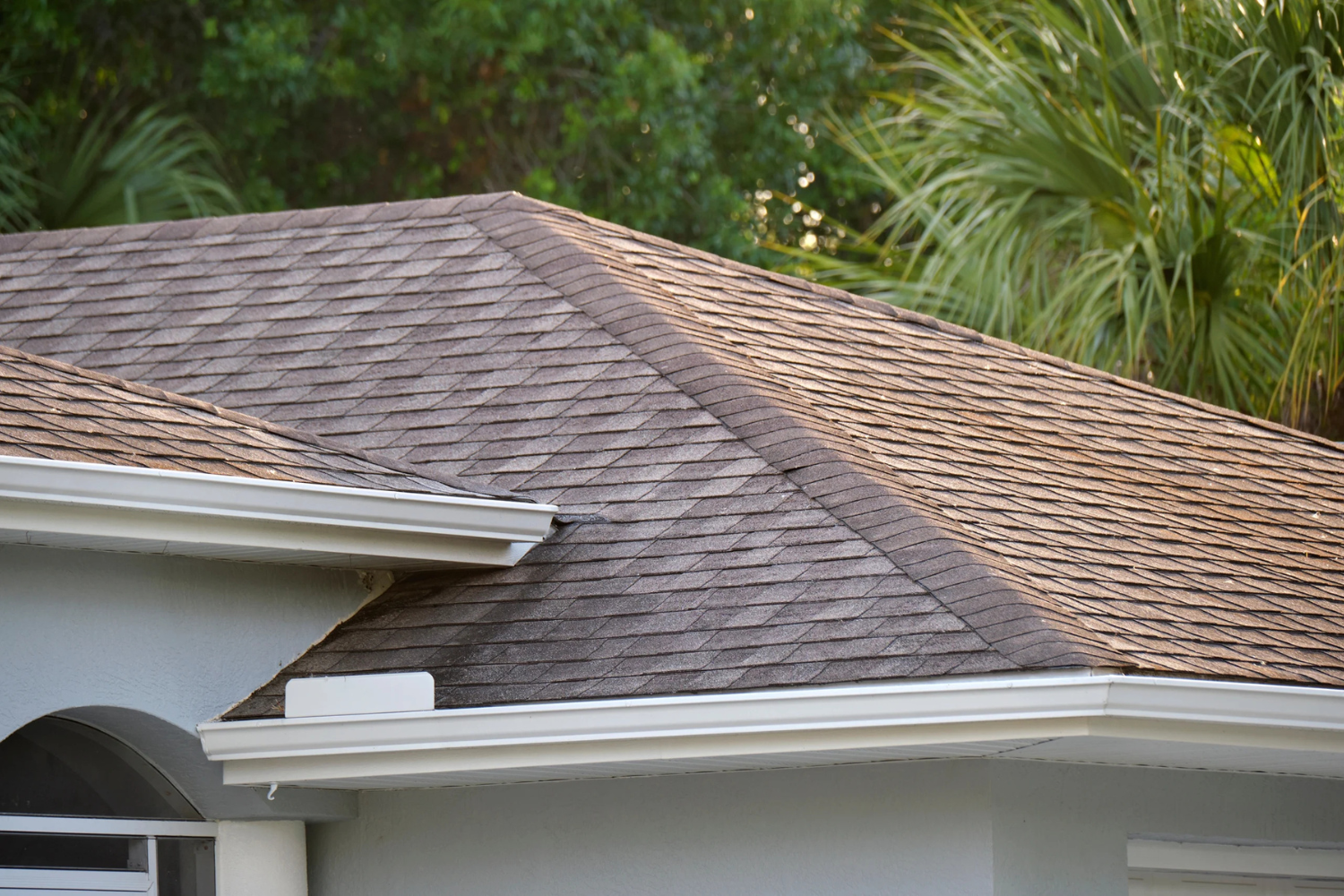
How Roof Rejuvenation Restores the Health of Asphalt Shingles
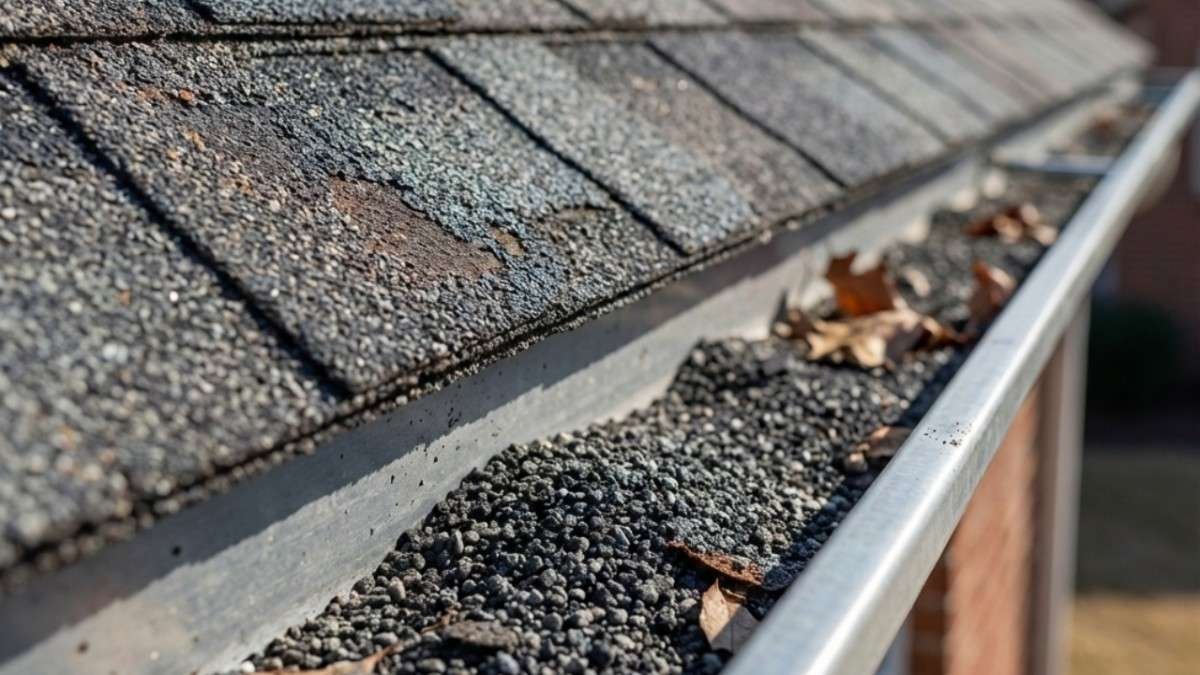
Your roof doesn’t just suddenly fail one day. It ages gradually, losing the essential properties that keep your home protected. If you have an asphalt shingle roof in Florida, you’re probably familiar with the signs: shingles becoming brittle, dark streaks spreading, granules washing into your gutters, and edges starting to curl upward.
For years, homeowners faced a simple choice when these problems appeared: live with a deteriorating roof or spend $15,000-$25,000 on complete replacement. But there’s now a third option backed by science and proven in the field of roof rejuvenation.
This isn’t just cleaning your roof or applying a temporary coating. Roof rejuvenation is a restoration process that works at the molecular level to reverse the aging damage in your asphalt shingles, bringing them back to near-original condition. Let’s explore exactly how this process restores your roof’s health and why it’s becoming the smart alternative to premature replacement.
Understanding What Makes Asphalt Shingles Healthy
Before we can talk about restoration, we need to understand what “healthy” asphalt shingles look like and what they need to function properly.
The Anatomy of an Asphalt Shingle
Your asphalt shingles aren’t just one material they’re a sophisticated, multi-layered system:
Fiberglass Mat Base: The foundation layer, typically made of woven fiberglass, provides structural integrity and dimensional stability.
Asphalt Coating: This is where the magic happens. The asphalt layer is infused with petroleum-based oils that give shingles their critical properties:
- Flexibility (allowing expansion and contraction)
- Waterproofing (creating a moisture barrier)
- Adhesion (bonding layers together and holding granules)
- Durability (resisting environmental stress)
Protective Granules: Ceramic-coated mineral granules embedded in the asphalt surface serve multiple purposes:
- UV radiation protection
- Fire resistance
- Color and aesthetic appeal
- Water shedding capability
- Impact resistance
Self-Sealing Adhesive Strips: Special adhesive bands activate with heat to seal each shingle to the one below it, preventing wind uplift.
When all these components work together properly, you have a healthy, functional roof that protects your home for decades.
What Happens When Shingles Age
The problem is that asphalt shingles start aging from the moment they’re manufactured. Here’s the process that damages your roof:
Stage 1: Oxidation Begins Even before installation, exposure to oxygen causes chemical changes in the asphalt. Once installed, this process accelerates dramatically.
Stage 2: UV Radiation Damage UV radiation speeds up the oxidation process, leading to the loss of volatiles and plasticizers in the asphalt, which results in the shingle material becoming brittle and susceptible to cracking.
In Florida, where UV intensity is among the highest in the continental United States, this degradation happens faster than almost anywhere else in the country.
Stage 3: Oil Evaporation The petroleum-based oils in your shingles gradually evaporate, especially under Florida’s intense heat. Your roof can reach temperatures of 160°F or higher on summer days, accelerating this oil loss dramatically.
Stage 4: Physical Deterioration As oils disappear, the visible problems begin:
- Shingles become brittle and inflexible
- Granules lose their adhesion and wash away
- Curling and cupping occur at shingle edges
- Cracks develop from thermal stress
- Adhesive strips fail
- Waterproofing degrades
The Science Behind Roof Rejuvenation: Molecular-Level Restoration
Now here’s where roof rejuvenation changes everything. Instead of just covering up the symptoms, it addresses the root cause of shingle aging: oil depletion.
How Bio-Based Oils Work
Roof rejuvenation treatments use specially formulated bio-based oils typically derived from soy or corn to replace the petroleum oils your shingles have lost.
Why Plant-Based Oils? These aren’t random vegetable oils. They’re carefully engineered to have a molecular structure compatible with aged asphalt. The bio-based formulations:
- Match the chemical composition of original asphalt oils
- Penetrate deeply into shingle material
- Bond at the molecular level with existing asphalt
- Restore the same properties as original oils
- Are environmentally safe and biodegradable
The Penetration Process: Unlike surface coatings that just sit on top, rejuvenation oils penetrate deep into the shingle structure. Unlike surface-level treatments, it penetrates deep into the shingle, depositing oils into the base layer while filling microscopic voids created by oxidation over time.
This deep penetration is critical. The treatment doesn’t just make shingles look better, it actually restores their chemical composition from the inside out.
What Happens at the Molecular Level
When bio-based rejuvenation oils are applied to your roof, a fascinating restoration process begins:
Step 1: Oil Absorption The treatment solution contacts the shingle surface and begins absorbing into the porous, oil-depleted asphalt. The solution penetrates the shingle surface within 30 to 60 minutes. Over the next few days, the product fully cures, restoring the shingle’s flexibility and boosting granule adhesion.
Step 2: Void Filling Years of oxidation have created microscopic voids in the asphalt matrix where oils used to be. The bio-based oils fill these voids, essentially “re-saturating” the shingle material.
Step 3: Molecular Bonding The new oils don’t just sit in the voids, they chemically bond with the existing asphalt molecules. This creates a restored, unified structure similar to what the shingle had when new.
Step 4: “Puffing Back Up” This oil reintroduction process causes the shingle to “puff back up,” improving flexibility and locking granules in place from the bottom up.
This literally means your shingles regain volume and thickness as they’re re-saturated with oils, reversing years of compression and shrinkage.
The Seven Key Restorations
Roof rejuvenation doesn’t just fix one problem, but it restores multiple critical properties simultaneously:
1. Flexibility Restoration
The Problem: Oil-depleted shingles become rigid and brittle. They can’t flex with temperature changes, leading to cracks when thermal stress occurs.
The Solution: Replenished oils restore the plasticizing effect that keeps asphalt flexible. Rejuvenated shingles regain their ability to expand and contract with temperature changes. This prevents cracking and curling that are the two major causes of premature roof failure.
Florida’s daily temperature swings from cool mornings, scorching afternoons, cooler evenings that creates constant expansion and contraction stress. Flexible shingles handle this; brittle ones crack.
Measurable Impact: Laboratory testing shows that rejuvenated shingles can regain up to 80% of their original flexibility, dramatically reducing crack development.
2. Granule Adhesion Improvement
The Problem: As oils evaporate, the bond holding protective granules weakens. Granules fall off, leaving the asphalt exposed to UV radiation and accelerating deterioration.
The Solution: The restored oil layer creates renewed adhesion between the asphalt and granules. 53% better retention than untreated shingles, which means better protection and longer shingle life.
This isn’t just about appearance, those granules are your roof’s UV armor. Keeping them in place protects the underlying asphalt from rapid degradation.
Why It Matters in Florida: With our intense UV exposure, granule loss happens faster here than in most other states. Improving granule retention is critical for Florida roofs.
3. Waterproofing Restoration
The Problem: Asphalt’s natural waterproofing comes from its oil content. As oils evaporate, shingles become more porous and susceptible to water absorption.
The Solution: Bio-based oils restore the asphalt’s hydrophobic (water-repelling) properties. The treatment creates a renewed waterproof membrane across your entire roof surface.
Real-World Impact: This is especially important during Florida’s frequent thunderstorms and hurricane season. Improved waterproofing means better protection against wind-driven rain.
4. Adhesive Strip Reactivation
The Problem: Self-sealing adhesive strips dry out and lose their stickiness, allowing shingles to lift in high winds.
The Solution: Rejuvenation oils re-energize these adhesive strips, restoring the seal between shingle layers. This dramatically improves wind resistance critically in hurricane-prone Florida.
Safety Benefit: Better adhesive strips mean fewer shingles blow off during storms, reducing both repair costs and safety hazards from flying debris.
5. UV Protection Enhancement
The Problem: UV radiation breaks down asphalt at the molecular level through a process called photo-oxidation. Without protection, this degradation accelerates.
The Solution: By improving granule adhesion and restoring the asphalt’s protective properties, rejuvenation enhances the roof’s ability to resist UV damage. Some premium rejuvenation products also include UV stabilizers for additional protection.
6. Crack Sealing and Prevention
The Problem: Existing microscopic cracks allow water infiltration and become entry points for further damage.
The Solution: The penetrating oils fill and seal these tiny cracks, preventing water intrusion. More importantly, the restored flexibility prevents new cracks from forming.
Progressive Benefit: This is protection that compounds over time as sealed cracks can’t grow larger, and prevented cracks never start the damage cycle.
7. Algae Growth Inhibition
The Problem: In Florida’s humid climate, algae (Gloeocapsa magma) colonizes aging shingles, creating those ugly black streaks. The algae actually burrows into the shingle material, accelerating deterioration.
The Solution: When you reintroduce oil to an asphalt shingle, it restores the surface’s integrity and creates an environment where mold, moss, and algae are less likely to grow or thrive.
The oil-rich surface is less hospitable to algae colonization, and many rejuvenation products include zinc or other biocides that actively prevent growth.
The Professional Roof Rejuvenation Process: Step by Step
Understanding how rejuvenation is applied helps you appreciate why professional application matters.
Step 1: Comprehensive Roof Inspection
Before any treatment is applied, a certified technician conducts a thorough inspection to determine:
Eligibility Assessment:
- Current shingle condition
- Percentage of remaining granules (need at least 75%)
- Structural integrity of roof deck
- Presence of active leaks or severe damage
- Overall roof age and remaining life potential
Problem Area Identification:
- Areas needing repair before treatment
- Flashing conditions
- Ventilation adequacy
- Previous damage or poor installation
Not every roof qualifies for rejuvenation. Severely damaged roofs with extensive granule loss, major structural issues, or roofs older than 20 years may need replacement instead. A reputable company will tell you honestly if your roof is beyond rejuvenation’s help.
Step 2: Necessary Repairs
Any issues that would interfere with treatment effectiveness are addressed first:
- Missing shingles replaced
- Damaged flashing repaired or replaced
- Popped nails secured
- Minor leaks patched
- Ventilation problems corrected
This ensures the rejuvenation treatment has the best possible foundation to work with.
Step 3: Surface Preparation
The roof is gently cleaned to remove:
- Loose debris and dirt
- Surface algae and moss
- Anything that would block treatment absorption
This is done using low-pressure soft washing, never high-pressure washing, which would damage shingles. The goal is a clean surface that allows maximum penetration without causing any damage.
Step 4: Rejuvenation Treatment Application
This is where the restoration happens. Using specialized spray equipment, technicians apply the bio-based rejuvenation treatment:
Coverage Technique:
- Even distribution across entire roof surface
- Proper saturation without over-application
- Special attention to vulnerable areas (edges, valleys, ridges)
- Complete coating of all exposed shingle surfaces
Application Conditions: The treatment must be applied when:
- Temperature is between 50-90°F for optimal absorption
- No rain is expected for 24-48 hours
- Wind conditions allow for controlled application
- Humidity levels permit proper curing
Absorption Begins: Within minutes of application, you can see the shingles beginning to darken slightly as they absorb the bio-based oils. This color deepening is normal and indicates the treatment is working.
Step 5: Curing and Integration Period
The magic doesn’t happen overnight. Full restoration takes time:
Initial Absorption: 30-60 Minutes The surface layer begins absorbing oils almost immediately.
Deep Penetration: 24-72 Hours Oils continue penetrating deeper into the shingle structure, filling voids and bonding with asphalt molecules.
Complete Integration: 2-3 Weeks Full molecular bonding and restoration occurs over this period. The oils become fully integrated into the shingle structure, creating a unified, restored material.
Visible Results: 4-6 Months While improvements begin immediately, the full visual and functional restoration becomes most apparent over several months as:
- Shingles regain flexibility
- Curled edges begin to relax and flatten
- Color becomes richer and more uniform
- Granules are locked more securely in place
Step 6: Post-Treatment Inspection
After adequate curing time, a follow-up inspection verifies:
- Complete and even coverage
- Proper absorption throughout
- Visible improvements in shingle condition
- Customer satisfaction with results
Scientific Validation: The Research Behind Rejuvenation
Roof rejuvenation isn’t just marketing hype it’s backed by independent laboratory testing and real-world performance data.
Independent Testing Results
Roof Rejuvenate USA (as used by our crew) was tested by PRI Asphalt Technologies, an authority in asphalt shingle testing. These independent studies provide solid evidence of effectiveness:
Accelerated Weathering Tests: The study used 15-year-old asphalt shingles from a real residential roof and subjected them to a 1,500-hour accelerated weathering test, simulating five years of natural aging using industry-standard aging models.
Key Findings:
- Significant improvement in flexibility compared to untreated shingles
- Enhanced durability under simulated weather conditions
- Improved granule retention rates
- Extended projected lifespan
Bio-Based Certification: Quality rejuvenation products are USDA Certified Bio-Based Products, meaning they meet federal standards for environmental safety and bio-based content are typically 95-96% plant-derived materials.
Real-World Performance Data
Laboratory testing is valuable, but real roofs in real conditions provide the ultimate proof:
Lifespan Extension: Field data consistently shows that properly rejuvenated roofs gain 5-15 additional years of serviceable life. The variation depends on:
- Age of roof at time of treatment
- Climate conditions
- Quality of original installation
- Maintenance after treatment
Retreatment for Maximum Life: For optimal results, rejuvenation can be repeated every 5-7 years. Some Florida homeowners have successfully extended their roof’s life by 15+ years through multiple rejuvenation cycles, avoiding replacement entirely.
Cost-Effectiveness Validation: With average treatment costs of $2,500-$5,000 and replacement costs of $15,000-$25,000+, even extending roof life by just 5 years provides enormous financial benefit.
Roof Rejuvenation vs. Other Roof Treatments: Understanding the Difference
To appreciate what makes rejuvenation unique, let’s compare it to other common roof treatments.
Comparison Table: Roof Treatment Options
| Treatment Type | How It Works | Lifespan Extension | Cost | Best For |
| Roof Rejuvenation | Penetrates deep; restores oils at molecular level | 5-15 years | $2,500-$5,000 | Aging roofs 8-15 years old with good structure |
| Roof Coating | Surface-level sealant; reflects UV | 3-7 years | $2,000-$4,000 | Flat/low-slope roofs; not ideal for asphalt shingles |
| Soft Washing | Gentle cleaning; removes surface growth | 1-2 years | $300-$600 | Appearance improvement only; no restoration |
| Pressure Washing | High-pressure water cleaning | Reduces lifespan | $200-$500 | NEVER recommended for asphalt shingles |
| Replacement | Complete new roof installation | 20-30 years | $15,000-$25,000+ | Severely damaged roofs beyond repair |
The key difference: rejuvenation is the only treatment that actually restores shingle health at the structural and molecular level.
Why Florida Roofs Benefit Most from Rejuvenation
If you live in Florida, your roof faces some of the harshest conditions in the country. Here’s why rejuvenation is especially valuable for Florida homeowners:
Accelerated Aging in Florida Climate
Extreme UV Exposure: Florida receives some of the highest UV radiation in the continental U.S. This accelerates oil evaporation and oxidation far faster than in moderate climates.
Constant Heat Stress: Daily roof temperatures of 150-160°F+ cause rapid volatilization of asphalt oils. What might take 15-20 years in cooler climates can happen in 8-12 years in Florida.
High Humidity: Constant moisture creates perfect conditions for algae growth, which further degrades shingles. Rejuvenation’s algae-inhibiting properties are especially valuable here.
Hurricane Threats: The restored adhesive strips and improved flexibility provided by rejuvenation significantly enhance your roof’s ability to withstand hurricane-force winds.
Cost Savings in Florida’s Expensive Market
Roof replacement costs in Florida are typically higher than national averages due to:
- Hurricane-rated materials requirements
- Strict building code compliance
- Higher labor costs
- Insurance and permitting expenses
This makes the cost differential between rejuvenation ($3,000-$5,000) and replacement ($20,000-$30,000+) even more dramatic.
Insurance Benefits
Many Florida insurance companies recognize roof rejuvenation as legitimate maintenance. Documented rejuvenation treatment can:
- Help maintain insurance coverage on older roofs
- Potentially qualify for premium discounts
- Provide evidence of proactive maintenance if claims arise
Want to learn more about the costs and benefits? Read our comprehensive guide: Roof Rejuvenation Cost in 2026: Does It Really Work?
Is Your Roof a Good Candidate for Rejuvenation?
Not every roof can benefit from rejuvenation. Here’s how to know if yours qualifies:
Ideal Candidates for Rejuvenation
Age Range: 8-15 Years This is the sweet spot. Roofs old enough to have lost significant oils, but not so damaged that restoration isn’t possible.
Granule Retention: 75% or More If your shingles still have most of their granules intact, there’s a solid foundation to work with.
Structural Integrity: Good The roof deck must be sound, with no rot or major structural damage. Rejuvenation treats shingles, not structural problems.
Visible Signs of Aging:
- Slight curling at edges
- Beginning brittleness
- Some granule loss in gutters
- Algae staining
- Fading color
- Minor flexibility loss
No Major Damage: Few missing shingles, no widespread cracking, no active multiple leaks.
Poor Candidates for Rejuvenation
Too New (Under 8 Years): Your shingles likely still have adequate oils. Rejuvenation provides minimal benefit and wastes money.
Too Old (Over 20 Years): Severe deterioration may be beyond restoration’s ability to help effectively.
Severe Granule Loss: If more than 25% of granules are gone, the damage may be too extensive.
Widespread Damage: Multiple active leaks, extensive cracking, large areas of missing shingles indicate replacement is needed.
Structural Problems: Rotted decking, sagging, or structural damage requires more than shingle treatment.
Poor Original Installation: Rejuvenation can’t fix fundamental installation problems like improper nailing or missing underlayment.
Maintaining Your Rejuvenated Roof
After rejuvenation treatment, proper maintenance helps maximize your investment:
Immediate Post-Treatment Care (First 2-3 Weeks)
Avoid Roof Traffic: Don’t walk on your roof while oils are absorbing and curing.
Let It Cure: Don’t be concerned if shingles look darker initially or if there’s a slight oil smell. Both are normal and temporary.
Monitor Weather: If unexpected rain occurs shortly after application, contact your contractor. Most products need 24-48 hours of dry conditions.
Long-Term Maintenance
Annual Inspections: Have your roof professionally inspected once a year to catch any issues early.
Keep It Clean: Gently remove debris, leaves, and branches regularly. Use a leaf blower or soft broom and never pressure wash.
Trim Overhanging Branches: Keep trees trimmed back at least 10 feet from your roof to prevent damage and moisture retention.
Clear Gutters: Clean gutters twice yearly to ensure proper drainage and prevent water backup.
Address Issues Promptly: If you notice missing shingles, damaged flashing, or any problems, have them repaired quickly.
Consider Retreatment: For maximum life extension, consider retreating every 5-7 years. This provides continuous protection and can extend total roof life by 15+ years.
The Environmental Impact of Choosing Rejuvenation
Beyond personal savings, roof rejuvenation has significant environmental benefits worth considering:
Waste Reduction
The Landfill Problem: Roughly 11 million tons of shingles are discarded into landfills each year.
An average residential roof generates 13+ tons of waste when replaced. By extending your roof’s life through rejuvenation, you’re keeping literal tons of material out of landfills.
Resource Conservation
Manufacturing Impact Avoided: Every roof that’s rejuvenated instead of replaced means:
- No petroleum extraction for new asphalt
- No mining for new granules
- No energy-intensive manufacturing
- No transportation emissions for new materials
- No installation waste generation
Sustainable Bio-Based Products
Quality rejuvenation treatments are made from renewable resources:
- 95-96% bio-based content (soy or corn oil)
- Biodegradable formulations
- Non-toxic to people, pets, and plants
- Lower carbon footprint than petroleum-based alternatives
The Cumulative Effect
If just 10% of Florida homeowners chose rejuvenation over premature replacement, the environmental impact would be enormous, millions of tons of waste prevented, substantial reduction in resource consumption, and meaningful carbon footprint reduction.
Take Action: Restore Your Roof’s Health
Your asphalt shingle roof doesn’t have to be on a one-way path to deterioration. The science of roof rejuvenation offers a proven, cost-effective way to reverse aging damage and restore your roof’s protective properties at the molecular level.
By replenishing lost oils, rejuvenation treatment:
- Restores flexibility and prevents cracking
- Improves granule adhesion and UV protection
- Enhances waterproofing and weather resistance
- Strengthens adhesive strips against wind damage
- Inhibits algae growth
- Extends roof life by 5-15 years
- Costs 80% less than replacement
If your Florida roof is showing signs of aging curling, brittleness, granule loss, algae staining, but still has good structural integrity, roof rejuvenation could save you thousands while adding years to your roof’s life.
Ready to restore your roof’s health? Contact RoofJuice today for a professional inspection and find out if your asphalt shingle roof is a candidate for rejuvenation. Our Florida-based experts understand the unique challenges your roof faces and can provide honest assessment and proven solutions.
Don’t wait until minor aging becomes major damage. Restore your roof’s health now and enjoy years of continued protection at a fraction of replacement cost.
Continue Reading: More Helpful Roof Care Articles
Related Articles:
Roof Rejuvenation Cost in 2026: Does It Really Work?
How Roof Rejuvenation Supports a Greener Future
Why Roof Rejuvenation Is Better Than Pressure Washing